https://anyonehelping.blogspot.com/2023/06/how-to-hydrate-yourself-in-summer-season.html
Hair length styling tips
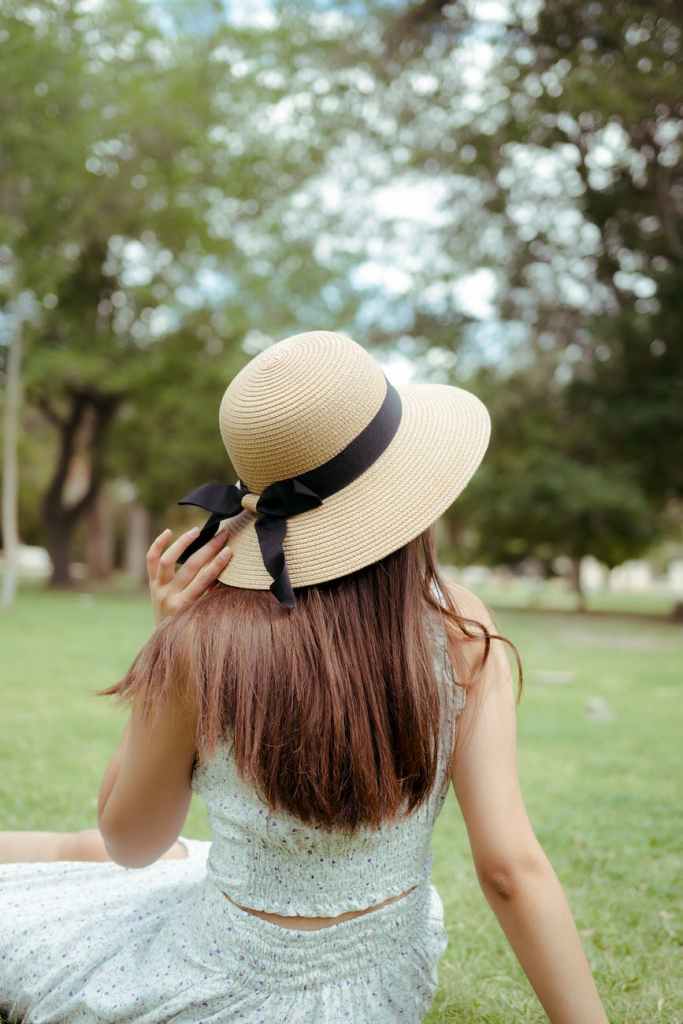
Sure! Here are some tips for maintaining and styling different hair lengths:
Short Hair:
Regular trims: Short hair tends to grow out quickly, so regular trims every 4-6 weeks can help maintain the shape and prevent split ends.
Texture and volume: Use products like volumizing mousse or texturizing spray to add volume and dimension to your short hair.
Styling tools: Experiment with different styling tools like flat irons, curling irons, or hot rollers to create different looks and add variety to your short hair.
Play with accessories: Use hair accessories like headbands, clips, or barrettes to add a stylish touch to your short hair.
Medium-Length Hair:
Layering: Consider adding layers to your medium-length hair to add movement and dimension. This can also help reduce the weight of the hair and make it more manageable.
Heat protection: Before using heated styling tools, apply a heat protectant spray to prevent damage to your hair.
Beach waves: Achieve effortless beach waves by using a curling wand or braiding your hair overnight. Apply a texturizing spray to enhance the waves.
Half-up hairstyles: Experiment with half-up hairstyles like half buns, braided half-updos, or half ponytails to keep your hair off your face while adding style.
Long Hair:
Deep conditioning: Long hair can be prone to dryness and damage, so regular deep conditioning treatments can help keep it healthy and hydrated.
Protective hairstyles: Consider wearing protective hairstyles like braids, buns, or updos to minimize friction and reduce breakage.
Hair oil or serum: Apply a small amount of hair oil or serum to the ends of your hair to keep them nourished and prevent split ends.
Long layers: Opt for long layers to add movement and prevent your hair from appearing too heavy. This can also help with easier styling and manageability.
General Tips:
Healthy diet and hydration: A well-balanced diet and drinking plenty of water contribute to healthy hair growth and overall hair health.
Regular washing and conditioning: Follow a hair care routine that includes regular washing with a suitable shampoo and conditioning to keep your hair clean, moisturized, and manageable.
Protect from heat and UV rays: Use heat protectant sprays before using heated styling tools and wear a hat or use hair products with UV protection when exposed to the sun for extended periods.
Remember, hair care and styling can vary depending on your hair type and individual preferences, so feel free to adapt these tips to suit your needs
How to protect yourself in summer season
Summer Self-Protection Tips

To protect yourself during the summer season, here are some essential tips:
- Stay hydrated: Drink plenty of water throughout the day to prevent dehydration. Avoid excessive consumption of alcohol, caffeinated drinks, and sugary beverages as they can contribute to dehydration.
- Wear appropriate clothing: Choose lightweight, loose-fitting, and light-colored clothing that allows your skin to breathe. Opt for fabrics that are breathable, such as cotton, linen, or moisture-wicking materials.
- Use sunscreen: Apply a broad-spectrum sunscreen with a high SPF (sun protection factor) of 30 or above before going outside. Reapply every two hours, or more frequently if you are swimming or sweating.
- Seek shade: Limit your exposure to direct sunlight, especially during the peak hours of 10 a.m. to 4 p.m. If you must be outside, find shade under trees, use umbrellas, or wear a wide-brimmed hat to protect your face and neck.
- Wear sunglasses: Protect your eyes from harmful UV rays by wearing sunglasses with 100% UVA and UVB protection. Look for sunglasses labeled as blocking UV rays or having a UV 400 rating.
- Stay cool: Use fans, air conditioning, or cool showers to keep your body temperature down. If you don’t have access to air conditioning, consider visiting public places like shopping malls or libraries that offer a cool environment.
- Avoid intense physical activity: Limit vigorous exercise and outdoor activities during the hottest parts of the day. If you want to exercise, do it during the cooler morning or evening hours.
- Check the weather forecast: Stay updated on the weather conditions to plan your activities accordingly. Be aware of heat advisories, high humidity levels, or extreme temperature warnings in your area.
- Stay connected: Keep in touch with family, friends, or neighbors, especially if you or they are vulnerable to heat-related issues. Regularly check on each other’s well-being and offer assistance if needed.
- Know the signs of heat-related illnesses: Familiarize yourself with the symptoms of heat exhaustion and heatstroke. If you or someone around you experiences dizziness, nausea, rapid heartbeat, confusion, or fainting, seek medical help immediately.
Remember, prevention is crucial when it comes to protecting yourself during the summer season. By following these tips, you can enjoy the warm weather while keeping yourself safe and comfortable.
How to protect yourself in summer season
Summer Self-Protection Tips
To protect yourself during the summer season, here are some essential tips:
- Stay hydrated: Drink plenty of water throughout the day to prevent dehydration. Avoid excessive consumption of alcohol, caffeinated drinks, and sugary beverages as they can contribute to dehydration.
- Wear appropriate clothing: Choose lightweight, loose-fitting, and light-colored clothing that allows your skin to breathe. Opt for fabrics that are breathable, such as cotton, linen, or moisture-wicking materials.
- Use sunscreen: Apply a broad-spectrum sunscreen with a high SPF (sun protection factor) of 30 or above before going outside. Reapply every two hours, or more frequently if you are swimming or sweating.
- Seek shade: Limit your exposure to direct sunlight, especially during the peak hours of 10 a.m. to 4 p.m. If you must be outside, find shade under trees, use umbrellas, or wear a wide-brimmed hat to protect your face and neck.
- Wear sunglasses: Protect your eyes from harmful UV rays by wearing sunglasses with 100% UVA and UVB protection. Look for sunglasses labeled as blocking UV rays or having a UV 400 rating.
- Stay cool: Use fans, air conditioning, or cool showers to keep your body temperature down. If you don’t have access to air conditioning, consider visiting public places like shopping malls or libraries that offer a cool environment.
- Avoid intense physical activity: Limit vigorous exercise and outdoor activities during the hottest parts of the day. If you want to exercise, do it during the cooler morning or evening hours.
- Check the weather forecast: Stay updated on the weather conditions to plan your activities accordingly. Be aware of heat advisories, high humidity levels, or extreme temperature warnings in your area.
- Stay connected: Keep in touch with family, friends, or neighbors, especially if you or they are vulnerable to heat-related issues. Regularly check on each other’s well-being and offer assistance if needed.
- Know the signs of heat-related illnesses: Familiarize yourself with the symptoms of heat exhaustion and heatstroke. If you or someone around you experiences dizziness, nausea, rapid heartbeat, confusion, or fainting, seek medical help immediately.
Remember, prevention is crucial when it comes to protecting yourself during the summer season. By following these tips, you can enjoy the warm weather while keeping yourself safe and comfortable.
 blogger widgets